

The Fordingbridge Rape Case &What It Means For Women and Girls
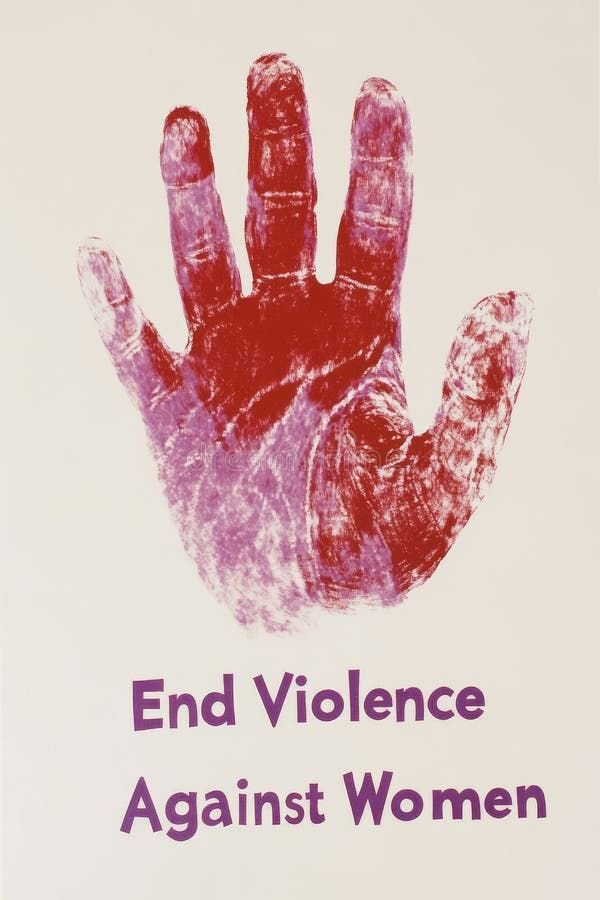
When two teenage girls came forward to report that they had been raped, filmed and humiliated by a group of boys in Hampshire, they did something that takes extraordinary courage. They went to the police and gave evidence. They sat through a trial, reliving some of the most traumatic experiences of their lives, and they won. Guilty verdicts on all accounts. And then the court told the boys they didn’t need to go to prison.
The case centres on two heinous attacks in Fordingbridge in late 2024 and early 2025. The first victim, then 15, was raped three times in an underpass near the River Avon. She had been lured there after one of the boys built a “relationship” with her over Snapchat. She later said she feared being thrown into the river if she did not comply. The second victim, then 14, was raped repeatedly in a field at Fordingbridge Recreation Ground. The defendant cut her clothing with a knife before attacking her. Both assaults were filmed by the boys on their phones, and some of the footage was shared online.
In March 2026, after a trial at Southampton Crown Court, the boys- two aged 15 at the time of the offences, and one aged 13- were found guilty. In May, Judge Nicholas Rowland handed down Youth Rehabilitation Orders and no prison time. Claiming that he wanted to “avoid criminalising these children unnecessarily” and to support their “reintegration into society”.
One of the victims, now 16, described the sentence as a “rock straight in my face”. She asks, “Why did I sit and put myself through the pain of going to court, going through a trial, reliving everything because of evidence and watching it all happen again?” It is a question that is asked far too many times, by far too many women and girls who were brave enough to come forward. In England and Wales, fewer than 1 in 60 rape cases lead to charge.
The message conveyed by the sentencing tells victims that the court’s sympathy may lie more with the future of their perpetrators than with their own safety and dignity. Barrister Charlotte Proudman, who represents survivors of sexual abuse, said that the criminal system had opted for “protecting the future of boys” over safeguarding women and girls. This case holds up a mirror to a justice system that too often asks women and girls to be brave enough to come forward, then fails them when they do.
Yet, the UK has united in its disappointment. In a post on X, Prime Minister Keir Starmer called it “an appalling case” and confirmed that law officers were urgently reviewing the sentences. Cabinet minister Darren Jones said the girls "deserve justice, as do their families, both for them but also for other girls that are put in that position." French rape survivor Gisèle Pelicot, herself a symbol of extraordinary public courage, said she was “deeply shocked” that the boys regained their freedom while the victims continue to suffer.
When the attorney general reviewed the case, he recognised that there is an “epidemic of violence against women and girls” in the UK. The chair of the Women and Equalities Committee, Sarah Owen, backed this and said that the ruling had sent the “wrong message” to potential perpetrators, telling them that even a guilty verdict won’t mean prison.
The case has now been referred to the Court of Appeal. The voices of these girls, and the people who stood with them, have been heard. The original ruling may have been a step backwards, but the public’s response shows that we are not going back with it. Justice will be served.
Written by Lila Cooksley