

Silent Wars within Wars– Sexual Violence as a weapon of the Tigrayan War
TW: Please note that this article discusses topics that some readers may find distressing, including that of extreme sexual violence.
Since the wake of the Tigrayan war and the Pretoria Peace Agreements of 2022, Ethiopia has been characterised by the destruction and displacement of its people. In 2021 alone, 5.1 million Ethiopians became internally displaced and by the time the Pretoria Agreements took effect, thousands had fled to Sudan and neighbouring countries. As of 2023, the war has killed approximately 600,000 people. Since these peace agreements, embroiling tensions that have stayed unresolved have accumulated to the hostile climate of Ethiopia in 2025, as statements have been released by the TPLF (Tigrayan People’s Liberation Front) of a silent genocide taking place in the Tigray region. The TPLF have spoken of worsening humanitarian conditions and the ‘daily torment of thousands displaced from Western Tigray which includes struggling to survive without food, medicine, shelter, security, or dignity,’ (TPLF Facebook weekly statement).
However, amidst the conflict that erupted in 2020, an even quieter war has been carried out without hindrance. Since 2020, the Ethiopian Federal Government and Eritrean Government have inflicted a war of sexual violence upon Tigrayan women, committing gang-rapes and physical and sexual trauma on women and girls as a form of weaponry. As survivors have come forward in 2025 to recount the horrors of this violence, Ethiopia has not recognised this crisis despite these crimes being committed largely by their military forces. The governments have not taken effective measures to prevent such violence and a lack of accountability for the crimes has led to further violence in other regions of Ethiopia as revenge attacks in Afar and Amhara.
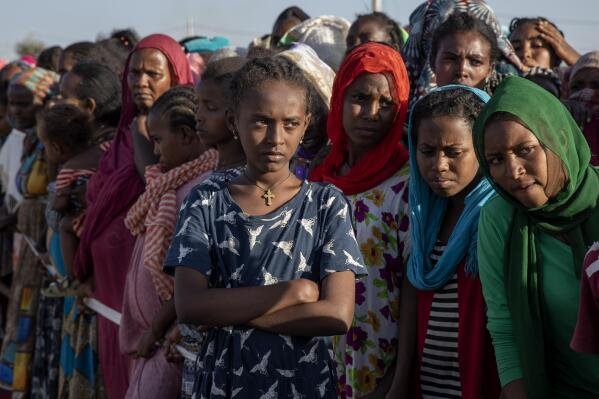
Image courtesy of AP News
Rape has been used as a deliberate weapon in relation to the war by Eritrean and Ethiopian militant forces. Victims of this onslaught are often raped by groups of men and contract diseases and sustain long term reproductive harm as a method to humiliate, harm and sterilise Tigrayan communities. Whilst these acts are taking place on all sides of the war, data has confirmed that the violence inflicted on Tigrayan women is for the deliberate purpose and intention of causing ‘grave and long-term harm’ to destroy these communities and the Tigrayan ethnicity (Physicians for Human Rights). Such violent acts against humanity, including forced pregnancy, rape, sexual enslavement, persecution on the intersection of ethnic, gender, age, and political grounds, completely violate international human rights law (IHRL).
Over several study conductions, the Physicians for Human Rights carried out data collections to put facts into figures to try and understand the gravity of rape rates in Ethiopia, collecting information from 600 surveys of health care workers, 500 medical records and 40 key-informant interviews with 4 focus group discussions. Their studies show that survivors at health facilities often experienced multiple perpetrator rape, vaginal, oral and anal rape, forced witnessing of sexual violence (often with family members), forced pregnancy and transmitting of HIV and STIs, sexual violence against children, and violence alongside other forms of torture. This horrific ordeal by Eritrean and Ethiopian enactors in Tigray continues to be committed with impunity; sexual violence has been historically used as a weapon of war, systematically and for political purposes.
The war began in 2020, a year after the Nobel Peace Prize was awarded to Abiy Ahmed, the Ethiopian Prime Minister, for bringing peace to Ethiopia by settling a long-disputed border conflict between Eritrea and Ethiopia since the 1990s. After a short victory, Ethiopia returned to conflict when the TPLF political party retaliated against the government by attacking military federal bases on the 3rd November 2020. The government responded with invasion and surprisingly, Eritrea allied with the government despite past and recent conflict.
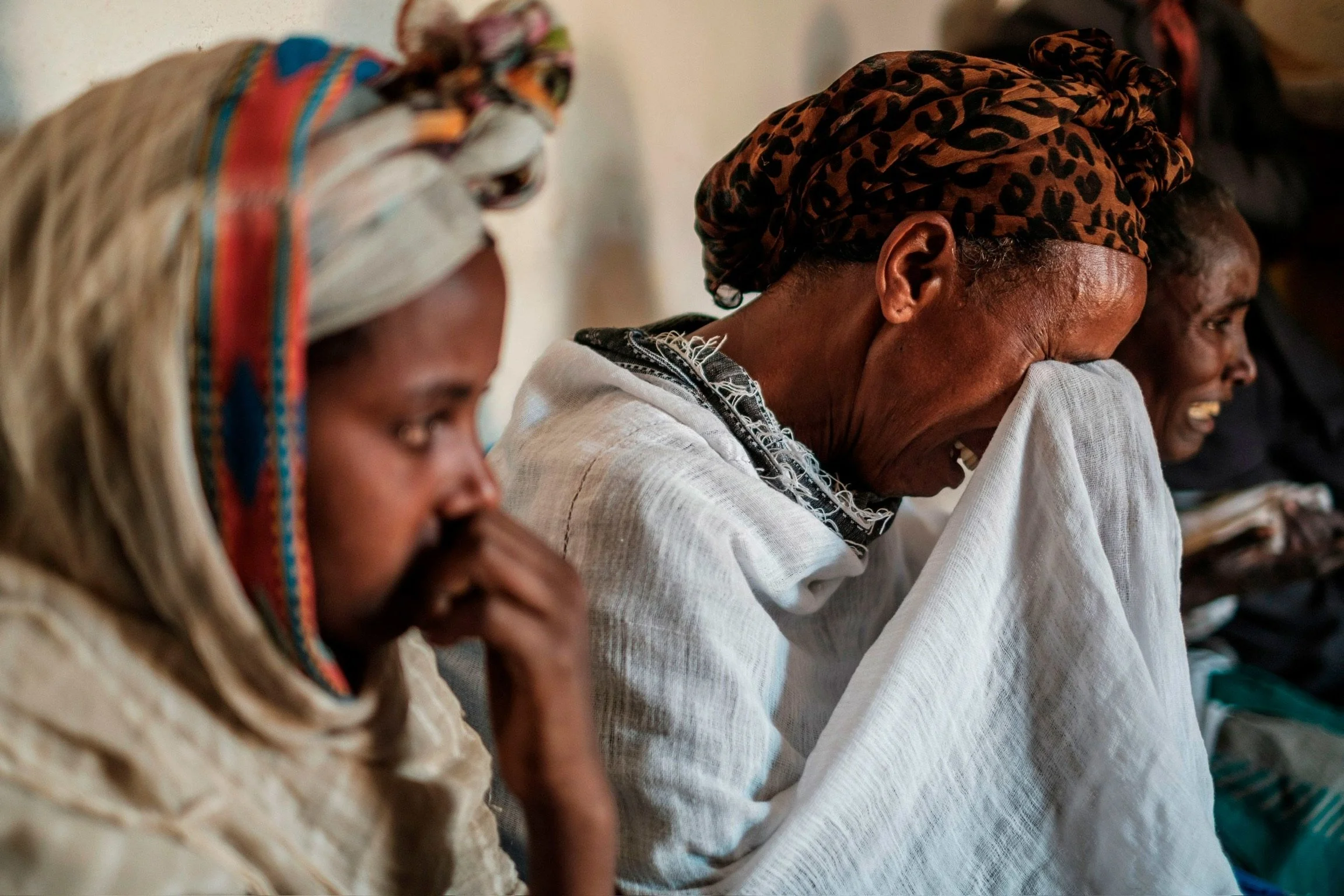
Eritrea has been accused of numerous war crimes against the Tigrayan people including massacres against innocent civilians, like the Axum Massacre, when Eritrean troops massacred 600-800 civilians in the city of Axum over two days in November 2020.
In inquiries conducted by Genocide Response and Amnesty International, sexual violence was found to be the most common crime that was reported. Amnesty International interviewed Tigrayan female victims who were targeted. Furthermore, there were reports of objects being inserted into their vaginas and uteruses to make them infertile, foreign objects like rusted nails, broken glass, metal rods, that leads to permanent physical and psychological trauma. Survivors recount how Eritrean and Ethiopian soldiers explicitly state their intent to their victims, one saying ‘They said they wanted to destroy my Tigrayan womb so I would never give birth to another ‘rebel.’” After this particular ordeal, doctors removed shards of glass and twisted metal from this woman’s uterus (East African Daily).
It was also found that Eritrean and Ethiopian troops would use sexual violence against women who would try to flee the country to places like Sudan. Rape was used to scare women and physically harm them so that they were incapable of leaving Tigray.
The psychological trauma from these events is endless. Along with the severe physical harm, women and girls experience PTSD, nightmares, depression, and mothers suffer anxiety from the experience of being separated from their children during the rapings. Family members who had to endure watching their loved ones be gang raped suffer long lasting PTSD and night terrors, especially children who watched their mothers being violated. As well as this, the knowledge of intent to ethnically destroy the Tigrayan people by inflicting sexual and reproductive violence further destabilises the resilience of the community and its future.
In the two years of the war, the stats, according to Genocide Response.Org, reported on:
600,000-800,000 deaths
Over 120,000 people subjected to conflict related sexual violence.
Over 1 million people internally displaced within Tigray
Over 60,000 Tigrayans fled Ethiopia to Sudan.
Approximately 2.3 million children remain out of school in northern Ethiopia.
Thousands have died due to starvation
Three years on from the ceasefire and the refusal of accountability from Ethiopian and Eritrean governments for the sexual violence that took place has only led to its normalisation. In July, The New Humanitarian published an online article that reported on the enabling of abuse that is occurring in Ethiopia. The sexual violence did not end with the ceasefire and 84% of health worker surveys identified Eritrean forces as the main perpetrators. However, the UN’s International Commission of Human Rights Experts’ inquiry into these atrocities were abruptly stopped by the Ethiopian government’s unwillingness to cooperate, seeing it as an ‘African problem’ in need of an ‘African solution’, pushing towards the African Union. Nonetheless, the African Union’s inquiry was stopped in October 2023 without any published reports.
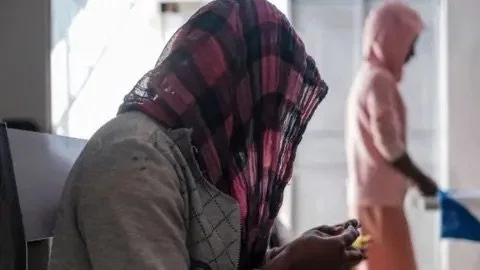
The lack of resolution or accountability has led to further violence being carried out, but in other parts of Ethiopia, as Tigrayans choose sexual violence to avenge their communities. In areas such as Amhara and Afar, the insecurity of the country has meant revenge rape and ravaging of communities has taken place by Tigrayan forces in 2021. There is also a rise of general, normalised sexual abuse in the country. Sexual violence, it seems, has become a learnt weapon of war, as a report analysing 50 records from Amhara between February 2021 and July 2023 found that 22 perpetrators of sexual abuse were civilians, 10 of them being either family members or intimate or ex partners. Along with the rise in community abuse, children have been born out of sexual violence with little healthcare and support for the psychological trauma inflicted on the victims of the war. The harm the war has caused is generational and unending.
The return of a rise in conflict in Ethiopia doesn’t offer a reassuring future for its civilians. Hundreds of thousands of lives have been lost and many more are still being affected to this day by the trauma and continuance of sexual violence between sides and within communities. The Eritrean and Ethiopian governments have still not been charged for any war crimes committed and have not been held accountable, continuing the cycle of abuse in Ethiopia and offering no resolution.
If you would like to help these women and children, the links below have options to donate:
Women For Tigray | Fundraising Organization
In a world where the severity of situations such as the Tigray war do not reach mainstream or western media , the importance of humanitarian organisations and appropriate use of media are imperative to our understanding and to documenting atrocities like these. If you would like to help keep these resources alive, donate to:
Donate to protect human rights - Amnesty International
UN Women: 15 Years of Impact, 15 Years of Progress
Written by Freya Davey