

Let’s Get Our Finances in a Twist
At the start of 2021, the UK scrapped VAT on period products which was a long-awaited victory for campaigners. Yet, reusable period underwear was excluded and continued to carry a 20% value added tax rate. It was not until after a petition gathered over 36,000 signatures that the government announced VAT would finally be removed from period underwear in January 2024. This small victory highlights the bigger issue of the lack of recognition around the cost of underwear in general, and the way ‘pant poverty’ affects everyday life.
Unlike children’s clothing, which is zero-rated (meaning it is taxable at a rate of 0%), adult underwear is treated as a standard item of clothing. It is treated as a luxury despite clearly being an essential. The VAT rate, combined with the general cost of buying underwear, creates an added barrier for many people already struggling financially.
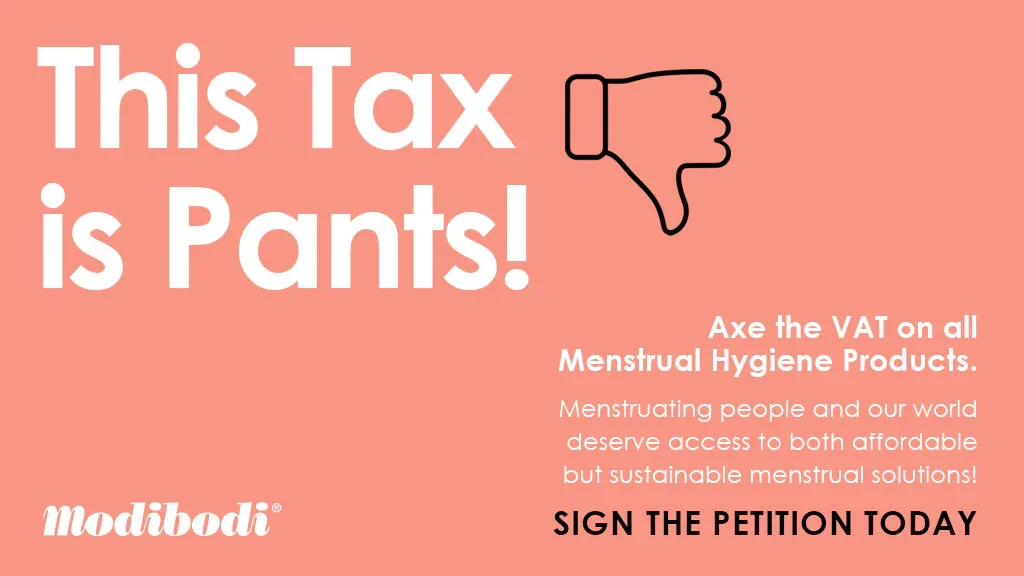
Modibodi campaign
One of the most pressing challenges is the pricing system itself. Underwear is significantly cheaper when bought in bulk, but for those without spare money, that option is often out of reach. A multipack in ASDA costs an average of £6.50 for five pairs, while single pairs cost between £1.50 and £6. On paper, the cheaper upfront cost looks more manageable, but over time it forces people to spend more per item, leaving them with fewer clean options overall. For the 14.3 million people living in poverty in the UK, the difference between £1.50 and £3 can mean choosing between underwear and food, so the cheaper yet less long-term option becomes the standard choice.
This lack of choice brings hidden costs. Washing a single load of laundry in the UK costs on average 34p before factoring in detergent and a smaller supply of underwear means clothes must be washed more frequently. Over a third of people experiencing hygiene poverty report having to rewear underwear and 28% report avoiding using washing machines altogether to save on energy bills, according to an article by Wales Online. The cycle is relentless. Less underwear means more rewashing, which costs more money, which then leads to rewearing items, with obvious risks to health and dignity.
Furthermore, experts recommend replacing underwear every six to twelve months to maintain hygiene standards. Yet for those in poverty, this is not a realistic option and people are often not aware of the consistency in which they should be replacing their underwear. Wear and tear, stretching and fabric breakdown all create conditions where bacteria thrive, increasing the risk of irritation and infection. However, for many replacing underwear on a regular schedule simply is not possible as it is another financial burden.
Pant poverty also carries a heavy social and psychological weight. Underwear is rarely spoken about openly, yet it underpins confidence and dignity. Not being able to access fresh or properly fitting underwear can affect school attendance, participation in sport and even job interviews, with people withdrawing from situations where they fear embarrassment or ridicule.
The biggest issue is that pant poverty remains largely invisible. While period poverty is increasingly recognised and discussed, the essential need for underwear rarely enters public discourse. Projects to tackle the problem are also often decentralised, with no government or national initiative. This is where initiatives like Let’s Get Our Knickers in a Twist are vital. Because of health risks, many charities cannot accept underwear donations and it is often overlooked when people think about what to give. By shining a light on this issue and working specifically to tackle it, LGOKIAT ensures a need that is often dismissed is finally being addressed.
Pant poverty is not simply about clothing, it is about dignity, health and equality. Until pant poverty is recognised with the same seriousness as other forms of poverty, these invisible financial burdens will continue to fall on those least able to afford them.
Written by Annabelle Langley